






- Undergraduate
Bachelor's Degrees
Bachelor of ArtsBachelor of EngineeringPartner School Dual-DegreeUndergraduate AdmissionsUndergraduate Experience
Quick Links
- Graduate
Doctoral Degrees
Doctor of PhilosophyPhD Innovation ProgramDoctor of Medicine-PhDGraduate AdmissionsGraduate Experience
Quick Links
- Research
Research by Program Area
Quick Links
Engineering Master's Degrees
Engineering Doctoral Degrees
Graduate Information Sessions & Campus Visits
Connect with faculty experts to learn more about ways to enhance your career and research through Dartmouth Engineering’s graduate degree programs.
The Graduate Engineering Experience
“One of my projects was developing a tool to study climate change through measuring the changes in Arctic sea ice. It called on a combination of mechanical, electrical, and systems engineering. The systems part was key. The product emerged on the boundary between science and engineering.”
—Cameron Planck, PhD Th'20
Program Areas
Dartmouth offers a diversity of concentrations with collaborative synergies between engineering disciplines. Graduate students are expected to propose a plan of study that supports their interests on a path unconstrained by disciplinary boundaries. Both faculty and students draw from these multiple areas of expertise for maximum human-centered impact:
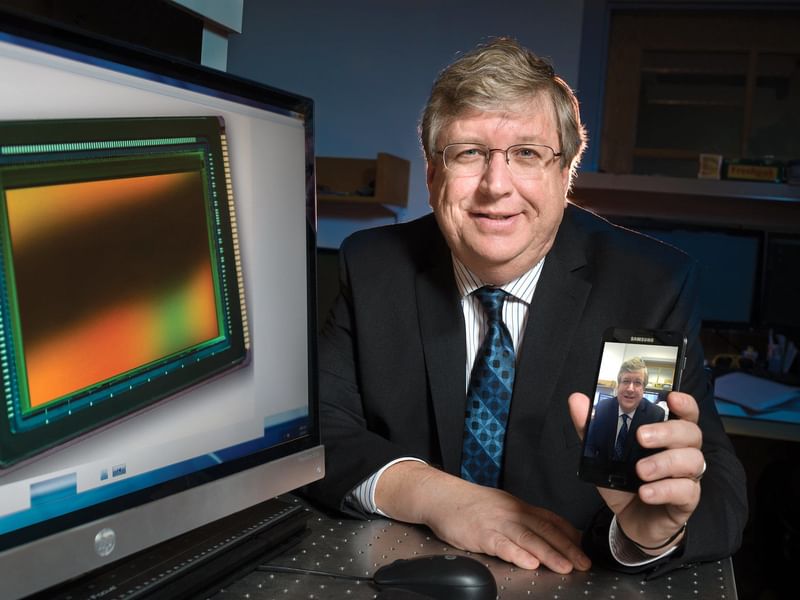
Entrepreneurship
At Dartmouth, where half of the tenure-track engineering faculty have started companies, we are working to address the nation's growing need for people with both technical and entrepreneurial expertise. As part of that effort, you may:
- Become a PhD Innovation Program Fellow
- Get involved with a faculty start-up
- Gain training through the Magnuson Center for Entrepreneurship
- Add yours to the list of patent applications filed by PhD candidates
- Start your own company
Human-Centered Design
The principles of design thinking are integrated throughout the Human-Centered Design curriculum. Students come away with the skills to assess human nature, needs, habits, desires, abilities, and cultures and incorporate them into technological design.
"Students who become really good at design become experts at a process that they can apply to anything, from designing medical devices to improving the lives of infants in their car seats. The same process can be applied, no matter what the problem is.”
—Professor Peter Robbie
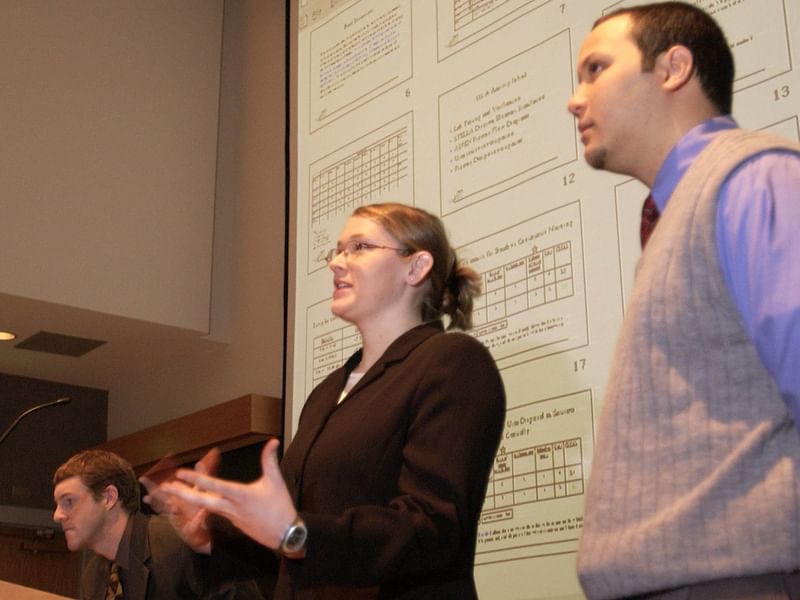
Leadership
While acquiring technical depth in your area, you'll also hone your leadership skills. You'll practice different kinds of writing, learn to give constructive criticism, and become an experienced presenter. The opportunities go beyond a typical advanced degree in engineering. For example, you might:
- Create or redesign a course with a professor
- Start a journal or club in your research area
- Take classes in other departments
Every experience you have beyond your chosen field of expertise prepares you to take the lead in whatever path you choose.
Collaboration
Dartmouth encourages and facilitates collaboration to widen your horizon even further. Partners for collaboration include:
- Guarini School of Graduate and Advanced Studies
- Department of Computer Science
- Tuck School of Business
- Geisel School of Medicine
- Dartmouth-Hitchcock Medical Center
- Magnuson Center for Entrepreneurship
- Irving Institute for Energy and Society
- Cold Regions Research and Engineering Lab (CRREL)
- Peer institutions, government, and industry
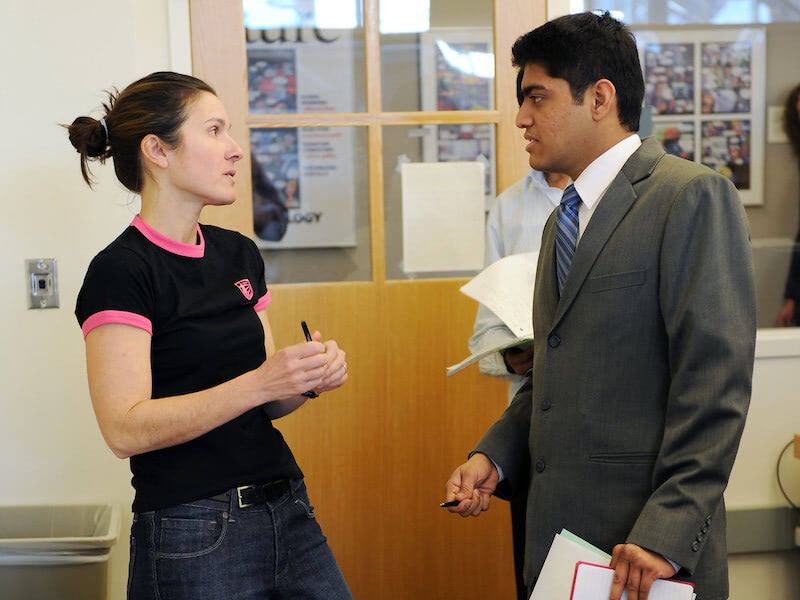
Help & Support
The road to an engineering degree can sometimes feel rocky when facing new challenges. A variety of resources help foster Dartmouth's culture of cooperation and support.
Discover Dartmouth Engineering
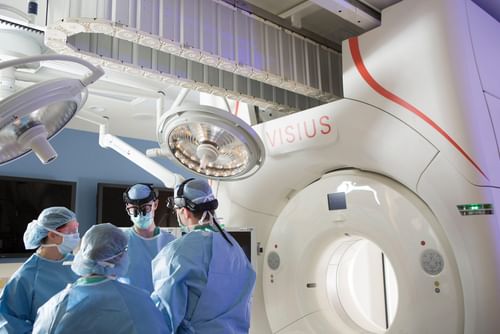
Collaborative Programs
Dartmouth prides itself on facilitating collaboration both on and off-campus. Teamwork and cross-pollination occur between peers, colleagues, schools, centers, institutions, and industry.
Learn More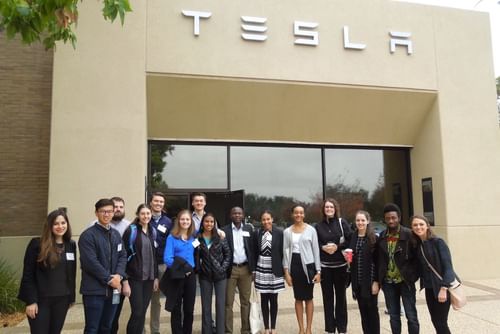
Graduate Degree Outcomes
Most MEM graduates enter directly into full-time positions; 20–40% of MS graduates continue on to pursue a PhD and the remaining secure employment; PhD recipients enter into professorships (~15%), research positions (50–60%), or entrepreneurship or industry (~30%).
Learn More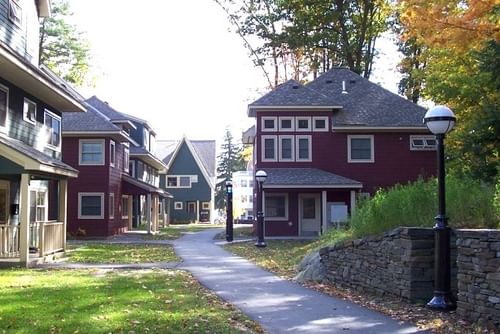
Graduate Student Life & Housing
Dartmouth owns and manages over 500 on- and off-campus rental housing units within two miles of campus. Accommodations range from studio apartments to single-family homes.
Learn More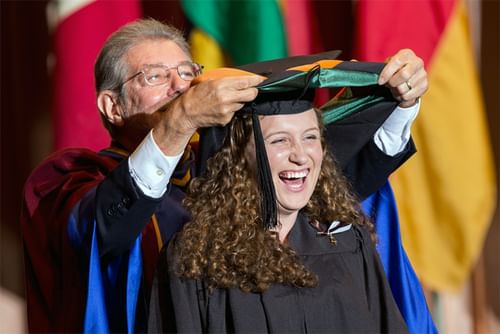
Scholarship, Fellowship & Grant Programs
Endowed named scholarships and fellowships, established through the generosity of alumni/ae, friends, foundations, and corporations, are awarded to engineering students with financial need who have demonstrated academic ability and show promise of contributing to the engineering profession.
Learn More